29 Jul 2026
Navigating Equipment Tariff Effects on Roulette Tactics Within State-Regulated NBA Prop Markets and Mobile App Ecosystems
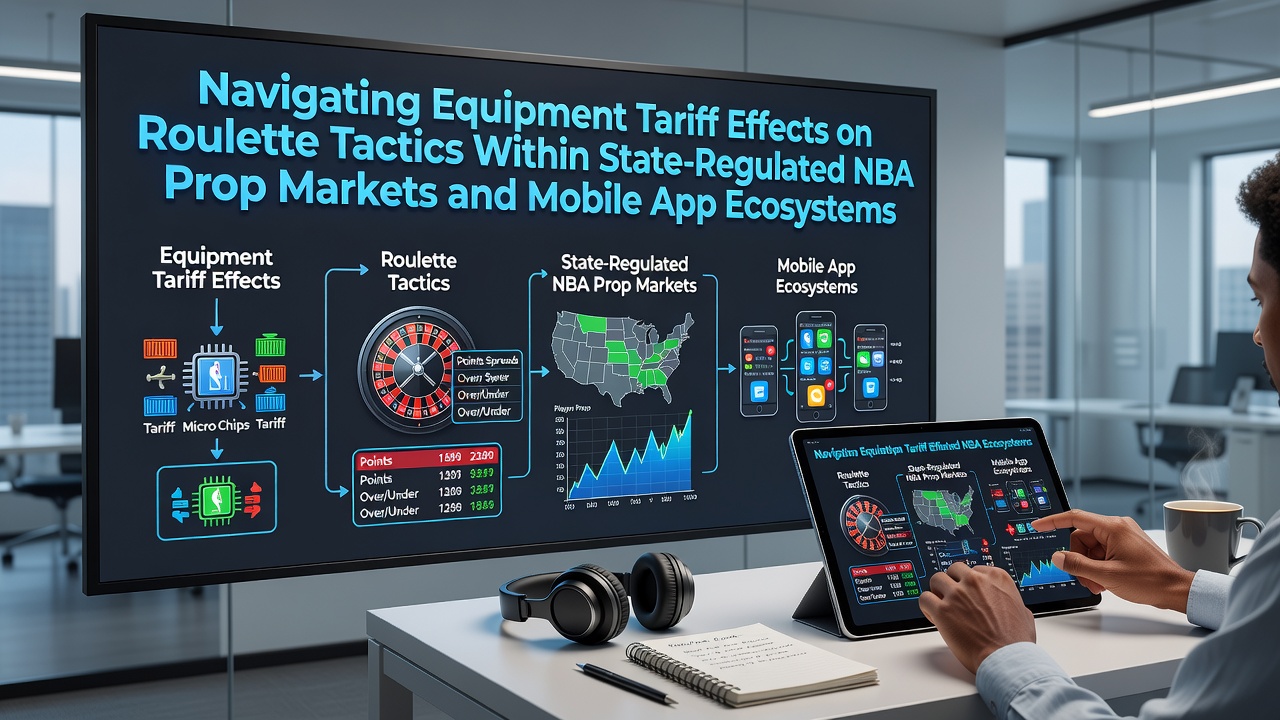
Data from mid-2026 shows that tariffs on imported gaming hardware have begun reshaping cost structures for roulette equipment used in both physical venues and teh digital platforms that power state-regulated mobile betting, and these shifts extend into NBA prop markets where operators integrate table game mechanics with sports wagers. Observers note that equipment such as electronic roulette wheels and associated sensors often originates from overseas manufacturers, which means duties applied since earlier policy adjustments continue to influence procurement timelines and software update cycles in states like New Jersey, Pennsylvania, and Michigan.
Tariff Structures and Hardware Supply Chains
Equipment tariffs enacted under previous federal measures have increased landed costs for roulette terminals by 15 to 25 percent according to industry procurement reports, while states with established iGaming frameworks adjust vendor contracts to absorb those expenses without immediate price hikes for end users. Operators in mobile app ecosystems therefore recalibrate the algorithms that simulate wheel outcomes and manage prop bet interfaces, since the same backend systems frequently handle both roulette mechanics and NBA player performance wagers. Research from regional gaming commissions indicates that states updating licensing rules in 2025 and early 2026 required platforms to document hardware sourcing changes, creating longer approval windows for new app features that blend table game data feeds with live sports odds.
Integration Points Between Roulette Mechanics and NBA Props
App developers have responded by embedding modular code that lets users switch between roulette probability models and NBA prop selections without separate logins, yet tariff-driven delays in hardware certification slow the rollout of updated random number generators tied to physical wheel references. In July 2026 several Midwest and Northeast jurisdictions completed audits of these crossover systems, revealing that operators now rely more heavily on cloud-based simulation layers when physical equipment imports face extended customs holds. Those who've tracked licensing filings observe that platforms serving NBA prop markets often lease server capacity from firms also hosting roulette engines, which spreads tariff exposure across multiple revenue streams rather than isolating it to casino-style games.
State Regulatory Adjustments and Mobile Ecosystem Responses
Regulatory bodies in states operating under 2023-2025 legislative updates have introduced reporting requirements that tie equipment cost disclosures directly to mobile app performance metrics, including session duration on NBA prop pages versus roulette interfaces. Figures released by the American Gaming Association in spring 2026 highlight a 4.2 percent rise in combined handle for sports props and table game simulations within the same user accounts, suggesting that tariff pressures have not reduced overall activity but have prompted operators to refine user interface pathways. American Gaming Association data further details how certain platforms now prioritize domestic or tariff-exempt component suppliers for kiosk hardware that syncs with app-based roulette displays.
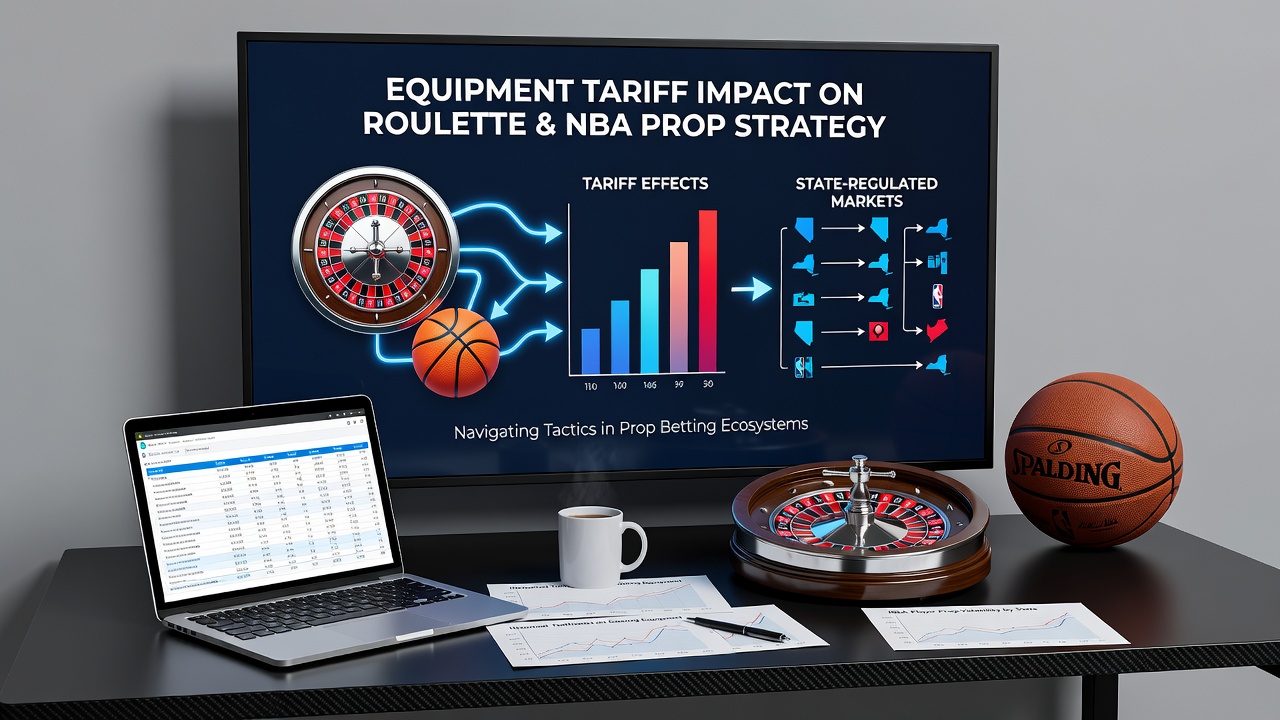
Meanwhile Canadian provincial regulators in Ontario have shared comparative notes with U.S. counterparts on similar supply chain issues, showing that synchronized hardware standards can reduce duplicate certification costs when apps serve cross-border user bases. Those monitoring these exchanges note that July 2026 saw at least two additional U.S. states adopt portions of Ontario's equipment verification checklist, which includes tariff origin documentation alongside standard RNG testing.
Strategic Adjustments in Betting Patterns
Bettors navigating these environments often adjust stake sizing on NBA props when roulette wheel maintenance schedules shift due to parts availability, since many apps surface both markets within unified balance displays and promotional structures. Studies compiled by academic researchers at the University of Nevada, Las Vegas gaming management program indicate that session overlap between the two categories increased by roughly 11 percent year-over-year through the first half of 2026, coinciding with documented tariff effects on wheel component imports. Operators counter these dynamics by offering tiered bonus structures that reward combined activity, thereby offsetting any friction introduced by slower hardware refresh cycles.
Future Outlook Through Mid-2026 and Beyond
Additional policy reviews scheduled for late 2026 may further standardize how states account for tariff-influenced equipment costs when renewing mobile app licenses, particularly where NBA prop markets and roulette engines share backend infrastructure. Data compiled by the National Council of Legislators from Gaming States shows that jurisdictions already tracking these variables maintain separate ledgers for hardware versus software expenditures, allowing clearer assessment of long-term tariff pass-through rates. As supply chains stabilize around alternative sourcing regions, operators continue refining the real-time data feeds that connect roulette outcome histories with NBA prop analytics inside the same mobile sessions.
Conclusion
Equipment tariff effects continue to intersect with state-regulated mobile ecosystems by altering hardware timelines and certification pathways, which in turn shapes how NBA prop markets and roulette tactics coexist within single app environments. Ongoing regulatory alignment across jurisdictions, coupled with shifts in supplier networks, supports sustained integration of these previously separate betting categories while maintaining compliance with updated cost-reporting standards.