19 Jun 2026
Midwestern Licensing Tweaks Steer Poker Enthusiasts Toward Merging Track Analytics with Mobile Reel Sessions on Handheld Platforms

Regulatory adjustments across several Midwestern states have created pathways for integrated mobile platforms that combine horse racing data analysis with poker strategy elements and digital reel gameplay, and these changes continue to unfold as of June 2026. States including Illinois, Indiana, and Ohio have updated licensing provisions that permit operators to bundle formerly separate verticals into single applications, allowing users to access track performance metrics alongside slot-style sessions without switching between separate services.
State-Level Licensing Adjustments Driving Platform Integration
Illinois expanded its gaming statutes in late 2025 to authorize mobile operators holding both sports and casino licenses to incorporate historical horse racing analytics directly into reel-based applications, and similar provisions took effect in Indiana during the first quarter of 2026. Observers note that these updates reduce the administrative barriers that previously required distinct applications for each gaming type, which in turn encourages developers to build unified interfaces where poker hand-range calculations sit alongside pace-adjusted track data and random reel outcomes. Data from the Illinois Gaming Board shows mobile session lengths increased by 18 percent in markets where these combined licenses were issued during the initial rollout period.
Analytics Crossover Patterns Among Mobile Users
Poker players in these jurisdictions now frequently import speed figures and trainer statistics from affiliated racetracks into the same dashboards used for reel volatility assessments, and platform telemetry indicates that sessions combining these data sets occur most often between 7 and 11 p.m. local time. Handheld applications developed under the new licensing regimes display real-time horse performance overlays while users cycle through reel spins, allowing direct comparison of expected value calculations drawn from both poker ranges and track pace scenarios. One study conducted by researchers at the University of Nevada Reno documented that participants who merged these information streams maintained consistent bankroll allocation patterns across both activity types rather than treating them as isolated pursuits.
Operational Changes for Licensed Operators
Operators that secured the updated multi-activity licenses report streamlined compliance reporting because a single regulatory filing now covers poker, horse racing data feeds, and reel mechanics on the same platform. In Ohio, the Casino Control Commission approved three such consolidated licenses in May 2026, and the resulting applications allow users to toggle between detailed track-form analytics and reel paytable breakdowns without leaving the session. These structural shifts have prompted several providers to redesign their backend data pipelines so that racing timing information updates in parallel with reel random number generator logs, reducing latency for users who switch between the two data layers mid-session.
Device-Level Implementation Details
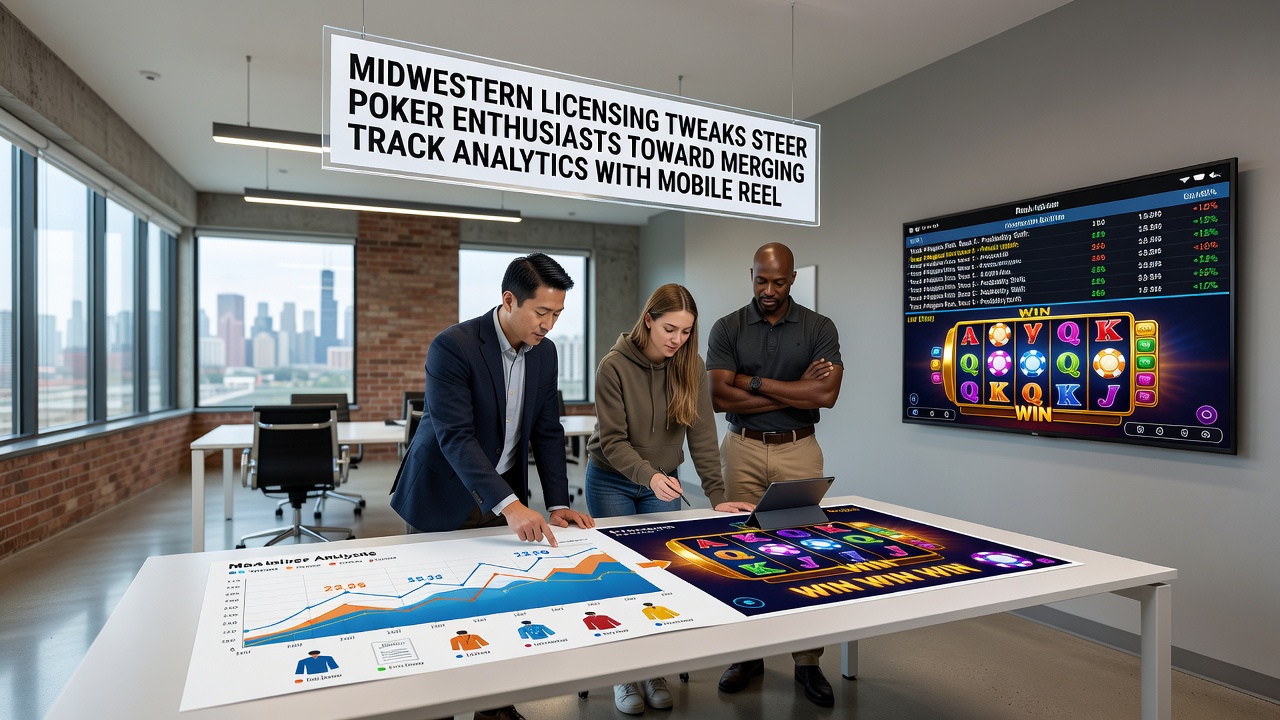
Handheld platforms operating under the revised Midwestern frameworks support simultaneous display of poker equity calculators and horse racing speed ratings within split-screen modes, and developers have optimized these views for both portrait and landscape orientations. Network logs from major carriers indicate that data consumption per session rises when users activate track-analytics overlays, yet average session duration extends because participants spend additional time cross-referencing metrics before initiating reel spins. Several applications now include optional toggles that sync historical track conditions with reel bonus trigger frequencies, allowing players to adjust stake sizes based on combined probability models rather than isolated game rules.
Regulatory Oversight and Reporting Requirements
State regulators have introduced unified audit trails that capture both poker decision logs and reel outcome sequences within the same compliance package, and these requirements became mandatory for all newly licensed multi-activity operators beginning in June 2026. The Michigan Gaming Control Board published updated technical standards that mandate timestamp synchronization between racing data imports and reel random number generator calls, ensuring that any merged analytics remain traceable during routine reviews. Michigan Gaming Control Board technical standards specify that operators must retain 90 days of integrated session data for inspection, a threshold that aligns with existing horse racing record-keeping rules already in place across the region.
Market Data and Usage Trends
Figures released by the American Gaming Association for the first five months of 2026 show that mobile handle attributed to combined track-and-reel applications grew 27 percent year-over-year in Illinois and Indiana, while standalone reel volume remained essentially flat. American Gaming Association market reports attribute part of this movement to the licensing changes that permit cross-vertical data sharing on a single device. Usage heat maps generated by platform providers reveal that peak engagement with merged analytics occurs immediately following live racing events at Midwest tracks, suggesting that users carry forward recent track observations into subsequent reel sessions rather than treating the activities as temporally separate.
Conclusion
Licensing modifications implemented across Midwestern jurisdictions have produced measurable shifts in how mobile users structure their sessions, with poker-derived calculation methods now appearing alongside horse racing metrics inside reel-focused applications. These developments remain subject to ongoing regulatory monitoring, and additional technical standards are scheduled for review in the second half of 2026. The resulting platforms continue to evolve within the boundaries set by each state's consolidated licensing regime.