22 Jun 2026
How Mobile Interfaces Influence Roulette Betting Adjustments Amid Shifts to NBA Prop Bets in Changing Regulatory Environments
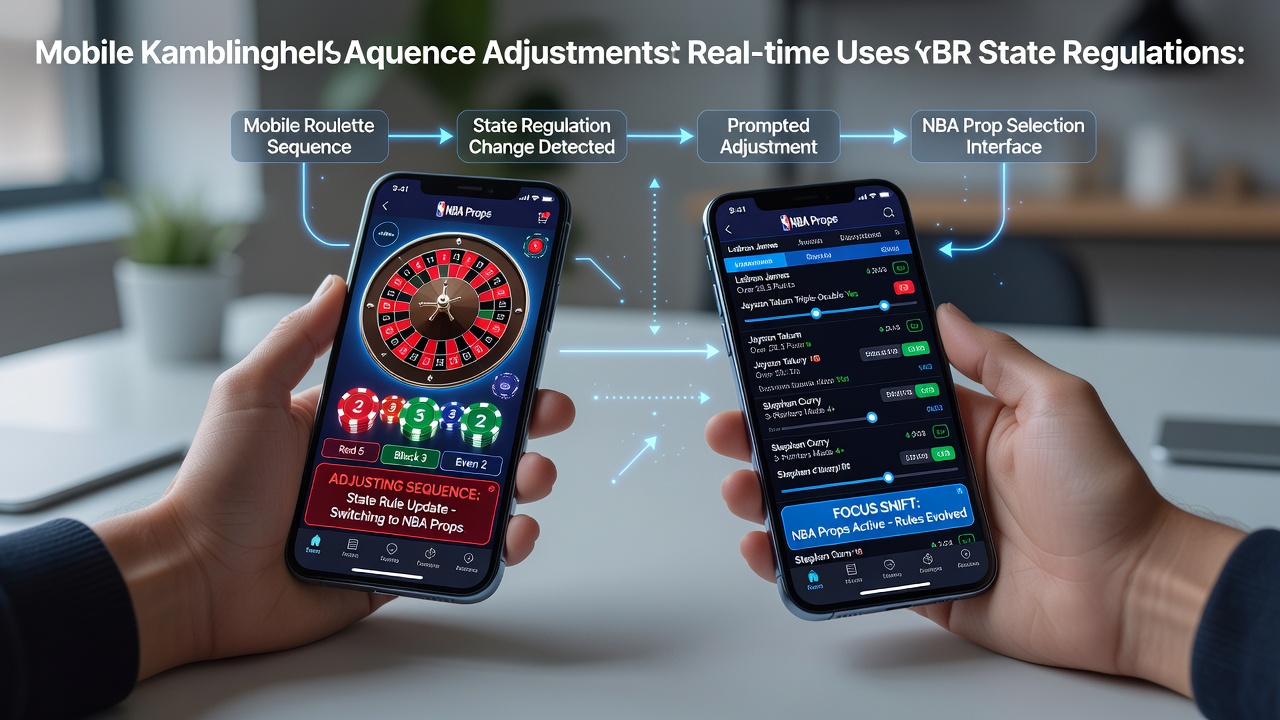
Developers design mobile platforms to handle seamless transitions between table game sequences and sports selections, which prompts users to modify their roulette betting patterns when attention moves toward NBA prop markets. These adjustments occur because interfaces prioritize quick navigation tools, auto-fill features, and real-time data displays that reshape how players sequence their wagers.
Interface Features Driving Sequence Changes
Touchscreen layouts allow bettors to adjust chip placements on roulette grids with fewer taps while simultaneously viewing NBA player stats, and this dual visibility leads many to shorten their roulette cycles from multi-spin progressions to single-bet repeats. Data from app analytics shows that sequence length drops when users activate split-screen modes, because the system highlights prop opportunities that pull focus away from extended wheel patterns.
Push notifications for game updates further interrupt traditional roulette flows, prompting players to reset bets more often rather than maintain steady progression systems. Observers note that in-app tutorials now include crossover prompts, which guide users toward adapting roulette sequences based on live NBA line movements.
State Rule Evolution and App Adaptations
Regulatory shifts across multiple jurisdictions require platforms to separate casino and sports modules while still permitting quick toggles, and these rules create environments where roulette sequences must align with new verification steps before users switch to prop selections. In June 2026 several states implemented updated licensing that mandates clearer boundaries between game types, yet mobile developers responded by embedding shortcut buttons that preserve betting momentum across both categories.
Research from the National Council on Problem Gambling indicates that clearer separation rules have not reduced crossover activity, since users simply compress their roulette sequences into shorter bursts that fit between prop bet confirmations. Platforms in regulated markets therefore introduce sequence-saving tools that store partial roulette patterns for later resumption after NBA selections close.
Observed Betting Pattern Adjustments
Users frequently reduce teh number of inside bets on roulette wheels once they engage NBA prop markets, because mobile keyboards and quick-select menus favor outside bets that require less input time during switches. Studies conducted by university researchers in states with integrated apps reveal that average roulette sequence duration falls by measurable margins when prop betting volume rises on the same device.
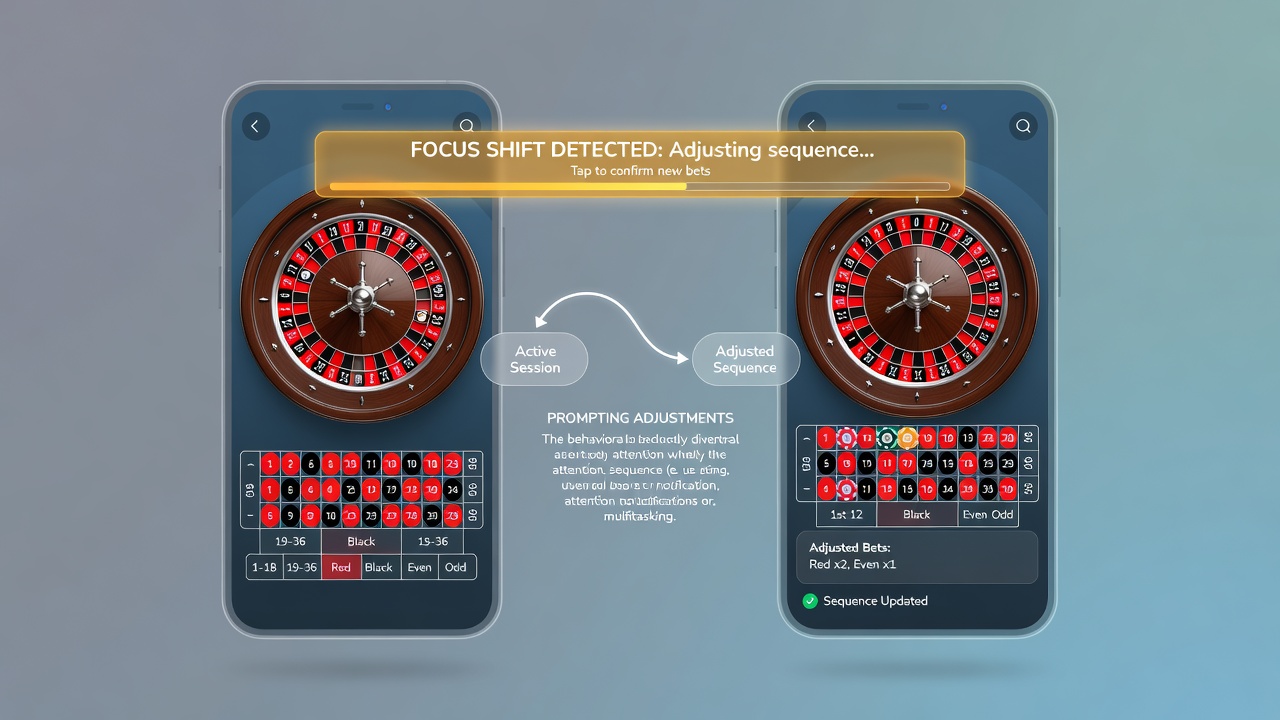
Bet sizing also changes under these conditions, with many shortening their progression ladders to accommodate rapid returns to sports interfaces. App telemetry data shows increased use of preset bet amounts that sync across both game types, allowing players to maintain consistent stake levels without rebuilding sequences from scratch each time focus shifts.
Take one group of analysts who tracked activity in emerging markets and discovered that roulette bettors who also place NBA props tend to favor even-money wheel outcomes that resolve faster, freeing attention for prop result monitoring. These patterns emerge consistently across devices running updated operating systems that support multitasking gestures.
Cross-Game Data Integration Effects
Real-time feeds that combine wheel outcomes with player performance metrics encourage bettors to link their roulette decisions to NBA trends, which in turn compresses sequence complexity. Developers add comparative charts that display historical correlations, and users respond by trimming elaborate roulette strategies into streamlined versions that respond to those charts.
According to figures from the American Gaming Association, mobile sessions involving both categories have increased steadily as states refine their frameworks, and this growth correlates with simplified roulette sequences that fit within shorter overall play windows. Regulatory bodies in additional regions, including Ontario's Alcohol and Gaming Commission, report similar interface-driven modifications where users adapt wheel betting to match the pace of prop markets.
Future Interface Developments Under New Rules
Upcoming updates scheduled for later in 2026 include gesture-based controls that further reduce the steps needed to move between roulette and NBA selections, which will likely accelerate the trend toward abbreviated sequences. Industry reports suggest these tools will incorporate machine learning elements that predict when users plan to switch focus and pre-load adjusted betting options accordingly.
Platforms continue testing features that let players carry over certain roulette parameters automatically when they enter prop markets, and early adoption data shows measurable impacts on how sequences unfold. Those monitoring regulatory filings note that states continue to evaluate these integrations to ensure compliance while supporting the technical efficiencies users now expect.
Conclusion
Mobile interfaces continue reshaping how roulette sequences adapt when attention turns to NBA prop selections under shifting state frameworks. The combination of streamlined navigation, real-time data, and regulatory requirements produces consistent modifications in betting patterns across multiple markets. As platforms evolve to meet both user habits and compliance standards, these adjustments remain a central feature of integrated gambling environments.