17 Jun 2026
How Licensing Shifts in Midwestern Territories Guide Bettors from Traditional Horse Racing Wagers to Mobile Wheel Games
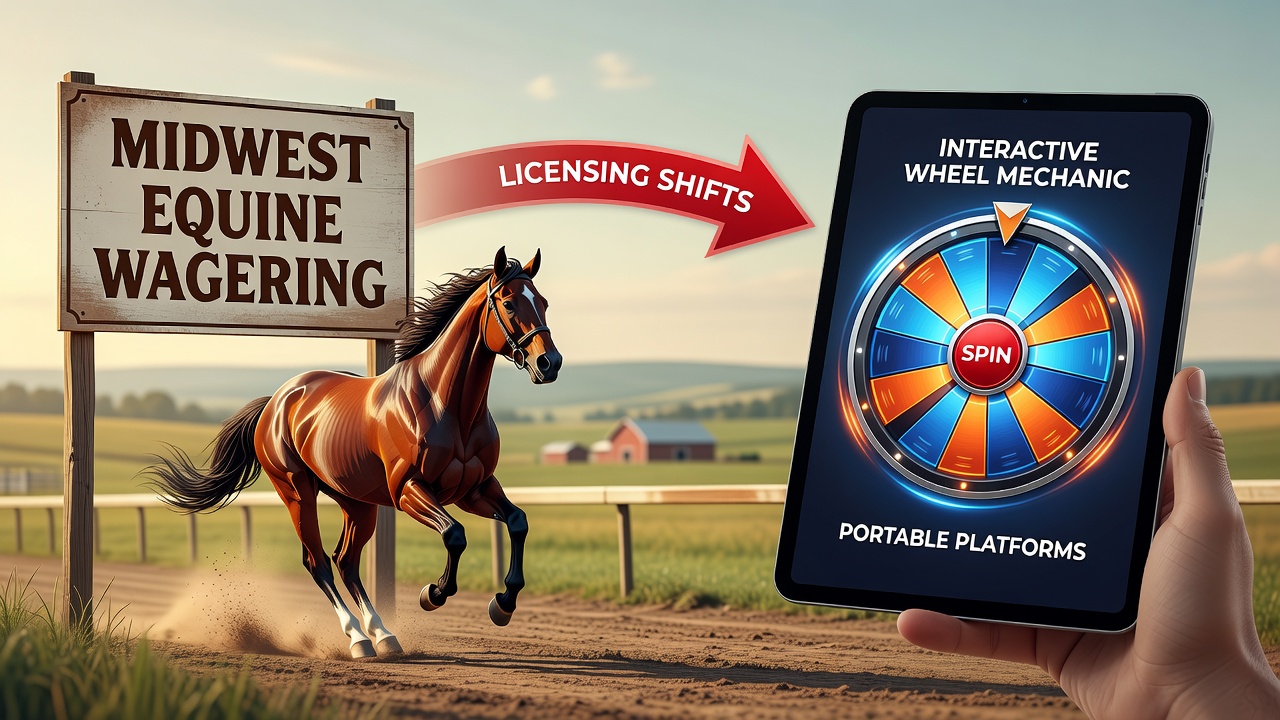
Regulatory adjustments across several Midwestern states have altered the availability and structure of gambling licenses, which in turn has influenced how participants approach different forms of wagering. These changes, many of which took effect between 2023 and 2025, expanded permissions for mobile platforms while imposing new compliance requirements on racetrack operators. Bettors who previously concentrated activity on equine events now encounter expanded options for interactive wheel-based games delivered through smartphone applications.
Recent Licensing Developments Across Key States
Illinois updated its gaming statutes in late 2024 to permit additional mobile operators while tightening reporting standards for off-track betting facilities. Indiana followed with similar measures in early 2025 that prioritized digital licensing rounds for wheel mechanics and table simulations. Michigan's Gaming Control Board issued revised mobile gaming permits in spring 2025, creating clearer pathways for applications focused on portable roulette-style products. Observers note that these adjustments coincided with a measurable decline in handle figures at several Midwestern racetracks during the first half of 2026.
Data compiled through June 2026 shows that states implementing streamlined digital licensing experienced faster uptake of mobile wheel games compared with jurisdictions that retained stricter racetrack-centric rules. Licensees gained the ability to bundle horse racing streams with interactive wheel offerings inside single applications, yet many participants shifted primary activity toward the wheel components once those features became more accessible.
Transition Patterns in Equine Wagering Communities
Traditional horse racing enthusiasts have adapted their habits as mobile platforms introduced simplified interfaces for wheel-based games. In regions where licensing now favors operators with existing sports betting approvals, users report quicker session starts for roulette variants than for placing multi-leg exotic wagers at tracks. Several Midwestern applications introduced loyalty programs that reward frequent wheel spins over repeated visits to simulcast centers, accelerating the movement away from equine-focused activity.
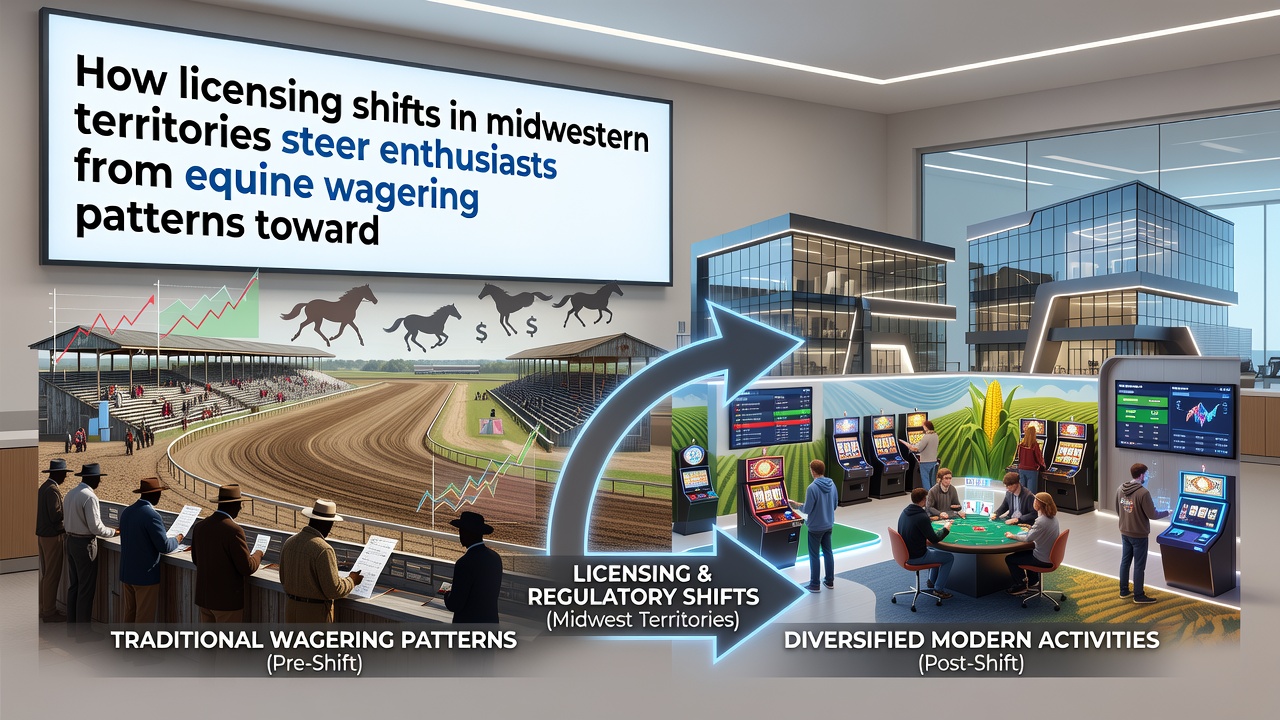
Industry tracking services recorded a 12 percent drop in average daily equine wagers among users who installed at least one new mobile platform after the 2025 licensing expansions. At the same time, participation metrics for interactive wheel titles rose steadily, particularly during evening hours when racetrack schedules conclude earlier. Those who maintain accounts at both track facilities and mobile operators often allocate smaller portions of their bankrolls to horse racing while directing larger shares toward wheel mechanics that require less advance research.
Platform Features Driving the Shift
Portable applications now integrate live odds feeds from remaining racetracks alongside real-time wheel outcomes, yet the wheel segments typically load faster and require fewer steps to complete. Developers incorporated gesture-based controls and quick-bet sliders that reduce friction compared with the multiple confirmation screens common in advanced horse betting interfaces. Licensing conditions in several states mandate responsible gaming tools that appear more prominently on wheel game screens, which some operators leveraged to highlight session reminders during play.
According to figures released by the Illinois Gaming Board, mobile wheel game revenue surpassed racetrack-derived mobile handle in three consecutive reporting periods ending June 2026. Similar patterns appear in regulatory summaries from neighboring states that adopted comparable licensing frameworks. The convergence of easier entry points for wheel titles and continued restrictions on expanding physical betting windows at tracks has contributed to these revenue reallocations.
Regulatory Comparisons and Cross-Border Effects
States that delayed full mobile licensing for wheel products until after 2025 continue to show steadier equine wagering volumes. In contrast, jurisdictions that completed digital expansions earlier demonstrate clearer migration toward portable platforms. Cross-border play remains limited by geofencing rules, yet users near state lines sometimes maintain dual accounts to access whichever licensing regime currently offers preferred wheel configurations. Regulatory filings indicate that operators have responded by designing unified applications that comply with multiple state standards simultaneously.
Research from North American gaming associations indicates that licensing language emphasizing consumer protection metrics has prompted developers to prioritize transparent wheel mechanics over complex horse racing algorithms in initial app versions. This sequencing has reinforced the observed movement among participants who value shorter decision cycles during mobile sessions.
Conclusion
Licensing realignments in Midwestern territories continue to reshape access pathways and user preferences between established equine wagering channels and emerging mobile wheel formats. Available data through mid-2026 illustrates sustained reallocation of activity toward interactive platforms where regulatory approvals arrived first. Future adjustments to licensing criteria may further influence these patterns depending on how states balance operator expansion with existing racetrack interests.