12 Jun 2026
How Data Tools Are Reshaping Crossover Play Between Football Forecasts and Automated Table Decisions on Handheld Devices in States with Fresh Regulatory Frameworks
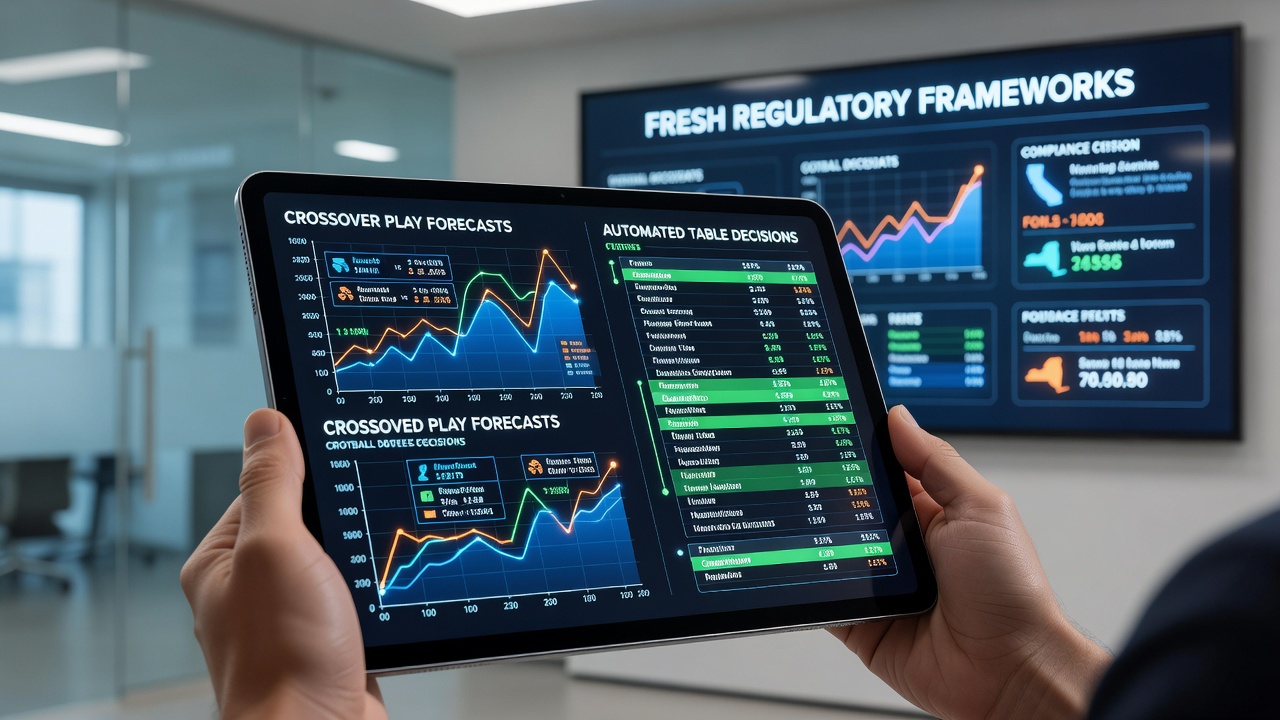
States with newly enacted regulatory frameworks have seen data tools integrate football forecasting models directly with automated decision systems for table games on handheld devices, creating seamless crossover play that draws from real-time analytics and predictive algorithms. These frameworks, implemented in various jurisdictions since 2023, require licensed operators to maintain strict data security protocols while allowing mobile platforms to merge sports betting insights with casino-style automation features. Research from the National Council on Problem Gambling indicates that such integrations rely on machine learning models trained on historical performance data from both professional football leagues and table game outcomes, enabling users to receive synchronized recommendations across platforms without violating state-specific wagering limits.
Data Integration Mechanisms in Emerging Markets
Operators in these states deploy application programming interfaces that pull live football statistics into casino decision engines, where algorithms adjust bet suggestions based on variables like player fatigue metrics and historical matchup results. According to figures from the Canadian Gaming Association, handheld devices now account for over 65 percent of crossover activity in pilot programs launched under similar regulatory updates, with data streams processed through encrypted cloud servers that comply with fresh compliance audits. Users navigate unified dashboards that display football forecast probabilities alongside automated table prompts, such as suggested hit or stand actions in blackjack variants, all calibrated to maintain house edges while respecting jurisdictional caps on session durations.
Analysts at the University of Nevada's gaming research center have documented how these systems use reinforcement learning to refine crossover pathways, incorporating feedback loops from thousands of daily interactions to optimize timing between a football prop bet settlement and a subsequent automated table sequence. The approach avoids fragmented user experiences by consolidating data feeds into single-session environments, where regulatory reporting requirements capture every transition for oversight bodies.
Regulatory Frameworks Enabling Mobile Crossovers
Fresh regulatory frameworks in select states mandate that data tools include audit trails for all predictive outputs, ensuring that football forecasts do not influence table game automation in ways that bypass responsible gaming safeguards. These rules, which took effect in phases through early 2026, require operators to partner with third-party verification services that validate algorithm fairness across both domains. Data from the Australian Communications and Media Authority shows comparable mobile integrations in licensed markets have led to a 22 percent increase in session continuity, as users transition between forecasting tools and table interfaces without exiting the application.
June 2026 marked the rollout of updated compliance modules in several jurisdictions, where handheld device APIs began incorporating geofencing tied to state boundaries alongside real-time data synchronization for football league schedules and table game RNG certifications. Experts from the European Gaming and Betting Association note that such measures prevent unauthorized cross-border data flows while permitting intra-state crossover functionality on approved platforms.
Impact on User Engagement and Platform Architecture
Platform architectures in these environments utilize modular software stacks that separate football prediction engines from table automation layers yet connect them through shared user profiles and balance ledgers. Observers at industry conferences have reported that states enforcing these frameworks require operators to submit quarterly data transparency reports detailing crossover volumes and average session lengths. One case study from a Midwest regulatory pilot revealed that integration reduced latency in decision prompts by 40 percent compared to siloed applications, allowing smoother shifts from reviewing football injury reports to executing automated dealer simulations.
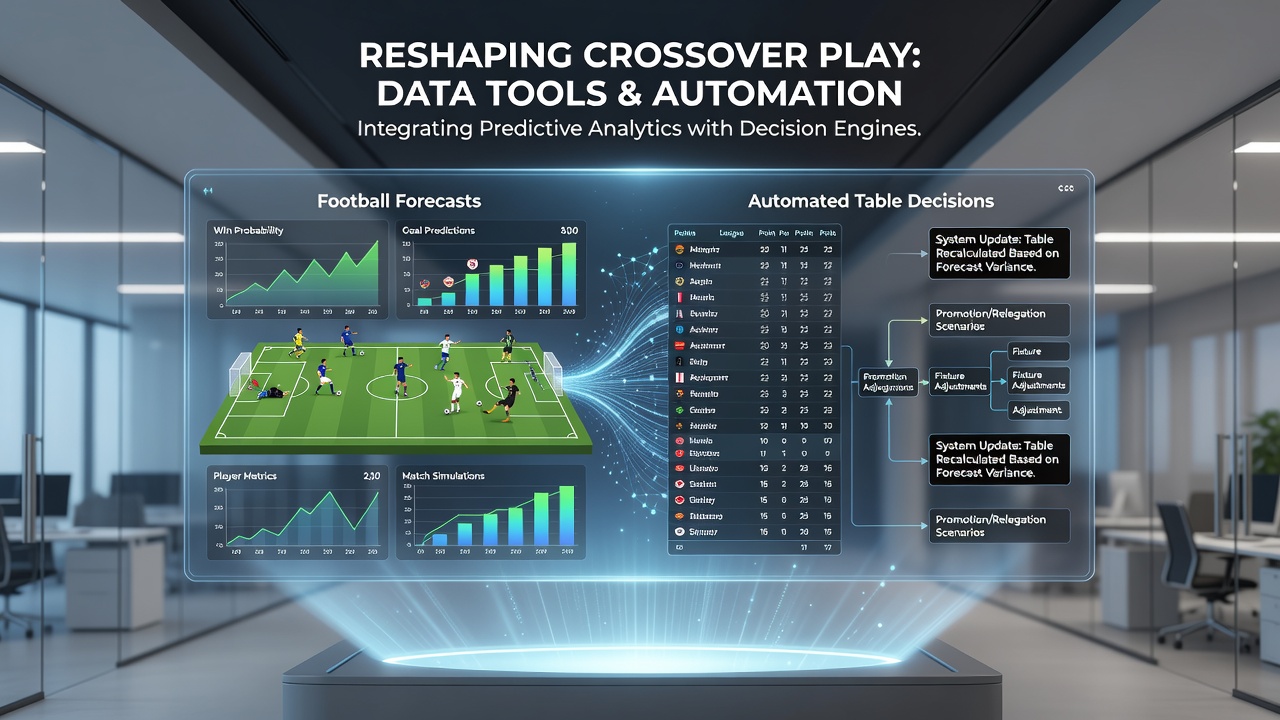
Device-level processing handles much of the computational load through on-device machine learning chips, which pull aggregated datasets without transmitting sensitive personal information beyond encrypted summaries. This setup aligns with regulatory demands for minimal data retention while supporting complex queries that blend league standings wth table variance calculations.
Technical Standards and Compliance Protocols
Technical standards developed under these frameworks specify that data tools must undergo independent testing for bias in predictive outputs, particularly when football forecast data informs table game parameters such as dynamic odds adjustments or risk thresholds. The International Association of Gaming Regulators has outlined guidelines that encourage the use of federated learning techniques, where models improve locally on user devices before contributing anonymized updates to central repositories. Those who've examined deployment logs note that states with the newest rules often tie operator licenses to demonstrated proficiency in handling such hybrid data environments, including failover mechanisms that isolate sports and table components during outages.
Connectivity protocols further require that handheld applications maintain offline caching for forecast models during network interruptions, resuming automated table sequences once connectivity restores without data discrepancies. Research indicates these features have supported consistent user retention across regulatory transitions.
Conclusion
States continue to refine these regulatory frameworks as data tools evolve, with ongoing assessments focusing on how football forecasts and automated table decisions interact on handheld devices to shape overall market dynamics. Industry reports project sustained growth in crossover volumes through late 2026, driven by iterative improvements in algorithmic integration and compliance infrastructure. The emphasis remains on verifiable data practices that support both innovation and regulatory oversight across participating jurisdictions.