15 Jun 2026
How App Ecosystems in Emerging Jurisdictions Reshape Strategy Crossovers Between Live Dealer Roulette and Professional Football Prop Selections Under Updated Licensing Frameworks
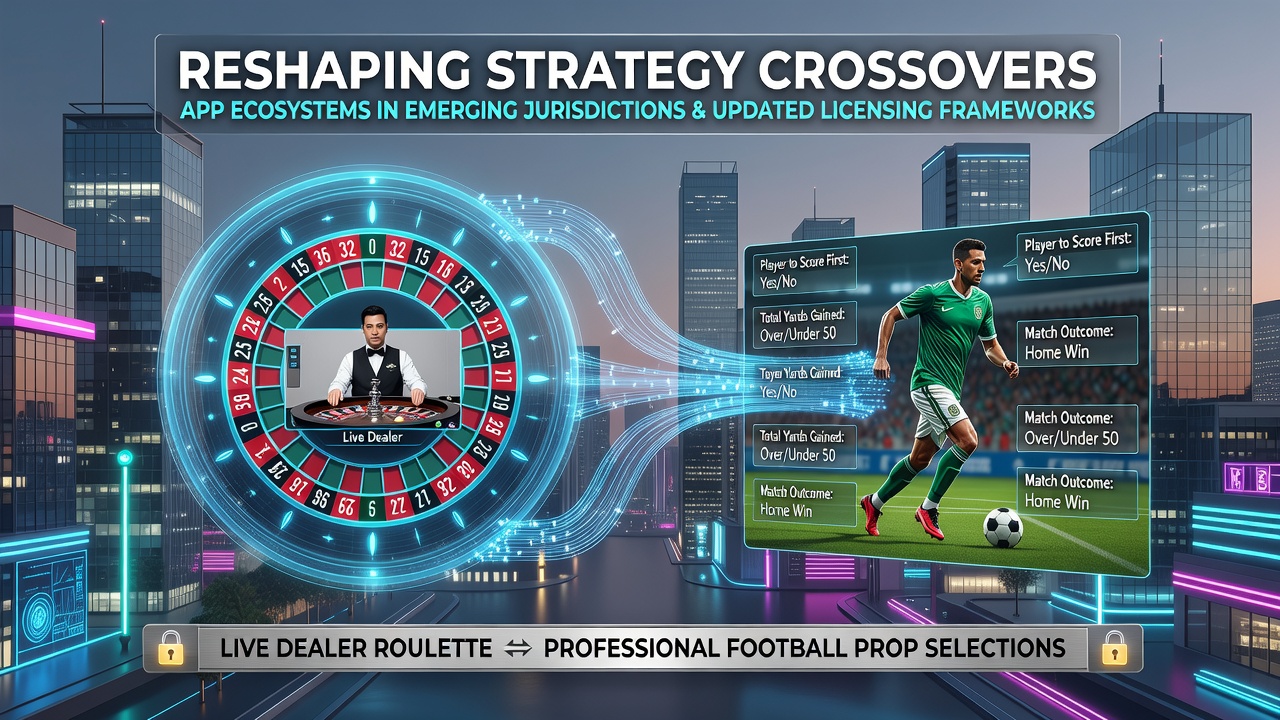
App ecosystems operating under revised licensing rules in emerging jurisdictions have started to connect live dealer roulette sessions with professional football prop selections through shared data streams and user interfaces. Jurisdictions that introduced new digital gaming permits in 2025 and early 2026 now require operators to maintain unified player accounts across table games and sports products. This requirement has produced platforms where probability models developed for roulette wheel outcomes feed directly into football player performance forecasts.
Licensing Updates Drive Platform Integration
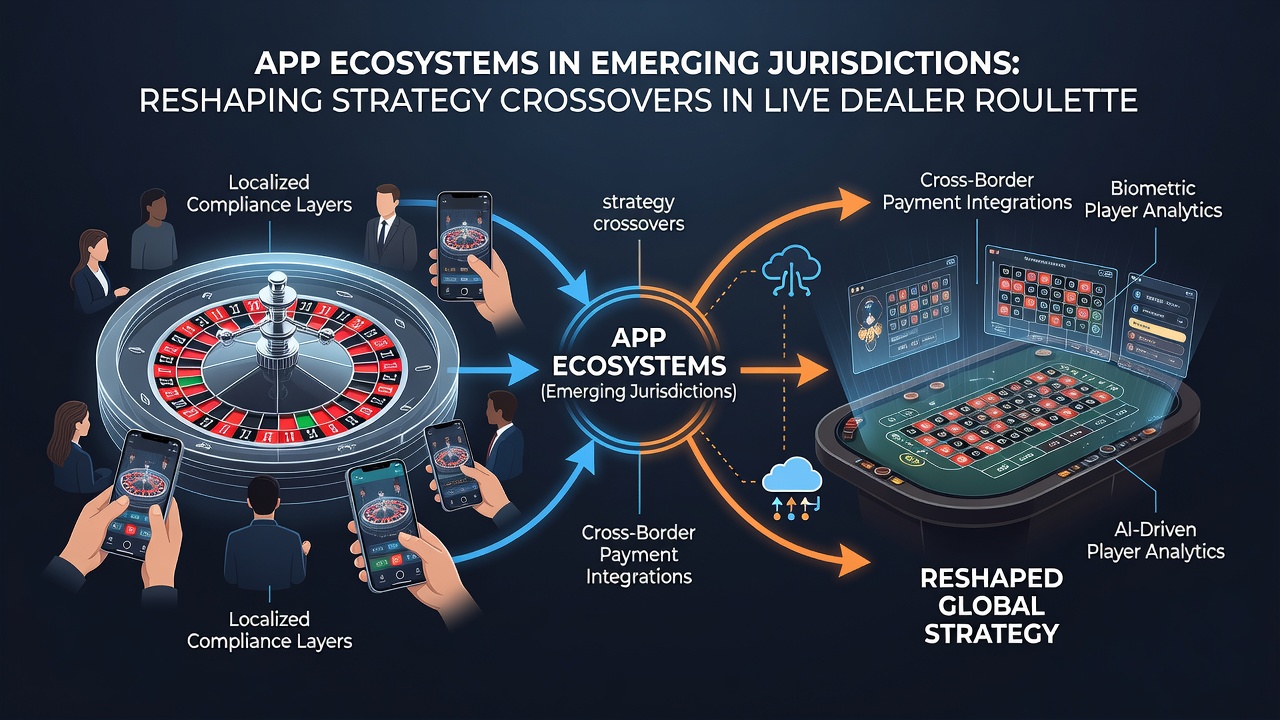
Regulatory bodies in several Latin American and Southeast Asian markets finalized licensing revisions between January and June 2026 that mandate interoperability standards for mobile applications. These standards require real-time data synchronization between casino modules and sports betting modules within the same application. Operators must log every transition a player makes from a live dealer roulette table to a football prop market, which creates datasets that analysts use to identify recurring strategy patterns.
One jurisdiction implemented a unified tax reporting system in March 2026 that treats both roulette wagers and football props as components of a single gaming session. The change eliminated separate licensing fees for each vertical and instead imposed a combined fee structure based on total handle. Operators responded by building single-app environments where users access both products without leaving the platform.
Strategy Transfers Between Game Types
Players have begun applying sequential probability tracking from roulette to football prop selections. Live dealer roulette interfaces display recent spin histories that users export into prediction tools, then apply similar variance calculations to quarterback completion rates or wide receiver yardage props. The process relies on application programming interfaces that pull historical data from both verticals into a single analytics dashboard.
Research from academic institutions tracking digital gaming behavior shows that users in these markets spend an average of 14 minutes reviewing roulette outcomes before placing football prop bets on the same session. The crossover occurs most frequently during evening hours when live dealer tables operate alongside in-game football markets.
Data Tools and Mobile Architecture
Application developers in these jurisdictions incorporated modular data pipelines that allow third-party analytics providers to access anonymized spin records and prop result histories. The pipelines operate under strict data localization rules introduced in the 2026 licensing round. Companies that supply these tools report increased demand for modules that translate roulette wheel bias measurements into football prop correlation matrices.
Operators have documented a measurable rise in multi-vertical session lengths since the licensing changes took effect. Sessions that begin with live dealer roulette now extend into football prop selections at rates 23 percent higher than in markets with fragmented licensing. The increase appears tied to the presence of persistent user profiles that carry statistical preferences across both product categories.
Regulatory Oversight and Compliance Requirements
Emerging jurisdictions introduced mandatory responsible gaming flags that trigger when users switch rapidly between roulette and football props. These flags activate after a set number of transitions within a single hour and require the application to present session summaries. Compliance teams use the same transition logs to audit whether operators meet fairness standards across both verticals.
According to data released by the Victorian Commission for Gambling and Liquor Regulation, similar integration patterns emerged in Australian digital markets after 2024 licensing adjustments, with cross-product session data becoming a standard reporting metric. Canadian provincial regulators have since adopted comparable logging requirements for their online platforms.
Market Data and Usage Patterns
Industry reports compiled in the second quarter of 2026 indicate that applications supporting both live dealer roulette and football props captured 31 percent of total handle in the newest licensed markets. The share reflects growth from 19 percent recorded in the same period of 2025. The expansion coincides with the rollout of unified wallet systems that reduce friction when moving funds between game types.
Platform telemetry shows that users who engage with both products within one session generate higher lifetime value metrics than single-product users. The difference stems from extended engagement periods rather than increased per-bet amounts. Operators continue to refine interface layouts to surface relevant prop markets immediately after roulette outcomes are displayed.
Conclusion
App ecosystems shaped by updated licensing in emerging jurisdictions have established direct connections between live dealer roulette mechanics and professional football prop selection processes. Unified data environments, mandatory interoperability standards, and combined reporting requirements have produced measurable shifts in how users move between the two categories. These developments remain tied to specific regulatory changes implemented through mid-2026 and continue to influence platform design in markets that adopt similar frameworks.