Digital Dice and Gridiron Gambles: Roulette and NFL Bets in the Age of State-Legal Sportsbooks
15 Apr 2026
Digital Dice and Gridiron Gambles: Roulette and NFL Bets in the Age of State-Legal Sportsbooks

The Surge of Legalized Gambling Across US States
State-legal sportsbooks have transformed how Americans engage with NFL games and casino classics like roulette, especially since the 2018 Supreme Court decision that struck down PASPA, paving the way for widespread legalization. Now, over 30 states offer regulated sports betting, while many integrate online casino options; data from the American Gaming Association shows total sports betting revenue hit $10.9 billion in 2023 alone, with NFL-related wagers driving a huge chunk of that figure because fans love betting on everything from point spreads to player props.
But here's the thing: digital platforms blend these worlds seamlessly, letting users spin virtual roulette wheels between checking Sunday ticket odds; operators like DraftKings and FanDuel lead the charge, reporting millions in handle during peak NFL weeks, while states like New Jersey and Pennsylvania top the revenue charts with hybrid apps that mix sports and casino play.
Observers note how this shift happened fast; Michigan, for instance, launched online casinos alongside sportsbooks in 2021, and within two years, players wagered over $4 billion on digital slots and table games, roulette included, according to state gaming commission figures.
Digital Roulette Enters the Mainstream
Roulette, once confined to smoky casino floors, now thrives digitally in legal markets, where RNG-powered wheels deliver fair spins on apps accessible from home; developers use advanced algorithms certified by labs like eCOGRA to ensure randomness, mimicking the physical game's thrill but with features like auto-play and customizable bets that keep players coming back.
What's interesting is the variety: European roulette with its single zero offers better odds at 2.7% house edge, while American versions add a double zero, pushing that to 5.26%; stats reveal players gravitate toward the former in online formats, with platforms tracking millions of spins monthly across states like West Virginia and Delaware, where iGaming launched early.
And yet, live dealer roulette bridges the gap further; streamed from studios, real croupiers spin wheels while chat features let bettors interact, a format that exploded post-legalization because it feels authentic, data indicates live tables account for 40% of online roulette action in mature markets like Pennsylvania.
NFL Betting: Where Strategy Meets the Gridiron
NFL bets dominate sportsbooks, from moneyline picks to over/under totals, with the league's 272-game regular season fueling non-stop action; bettors analyze stats like quarterback ratings and defensive yards allowed, platforms provide real-time lines adjusted by sharp algorithms that factor in injuries and weather.
Take the playoffs: Super Bowl wagers alone generated $7.6 billion in bets nationwide last year, per industry trackers, while prop bets on stars like Patrick Mahomes' passing yards add layers of engagement; states with legal mobile betting see handle spike 300% on game days, as fans parlay roulette wins into same-game parlays.
Experts have observed how NFL partnerships boost this; the league inked deals with sportsbooks, integrating official data feeds that ensure accurate odds, and now apps push notifications for live in-game betting, turning casual viewers into active wagerers during those tense fourth quarters.
Blending Worlds: Sportsbooks and Casino Apps Unite
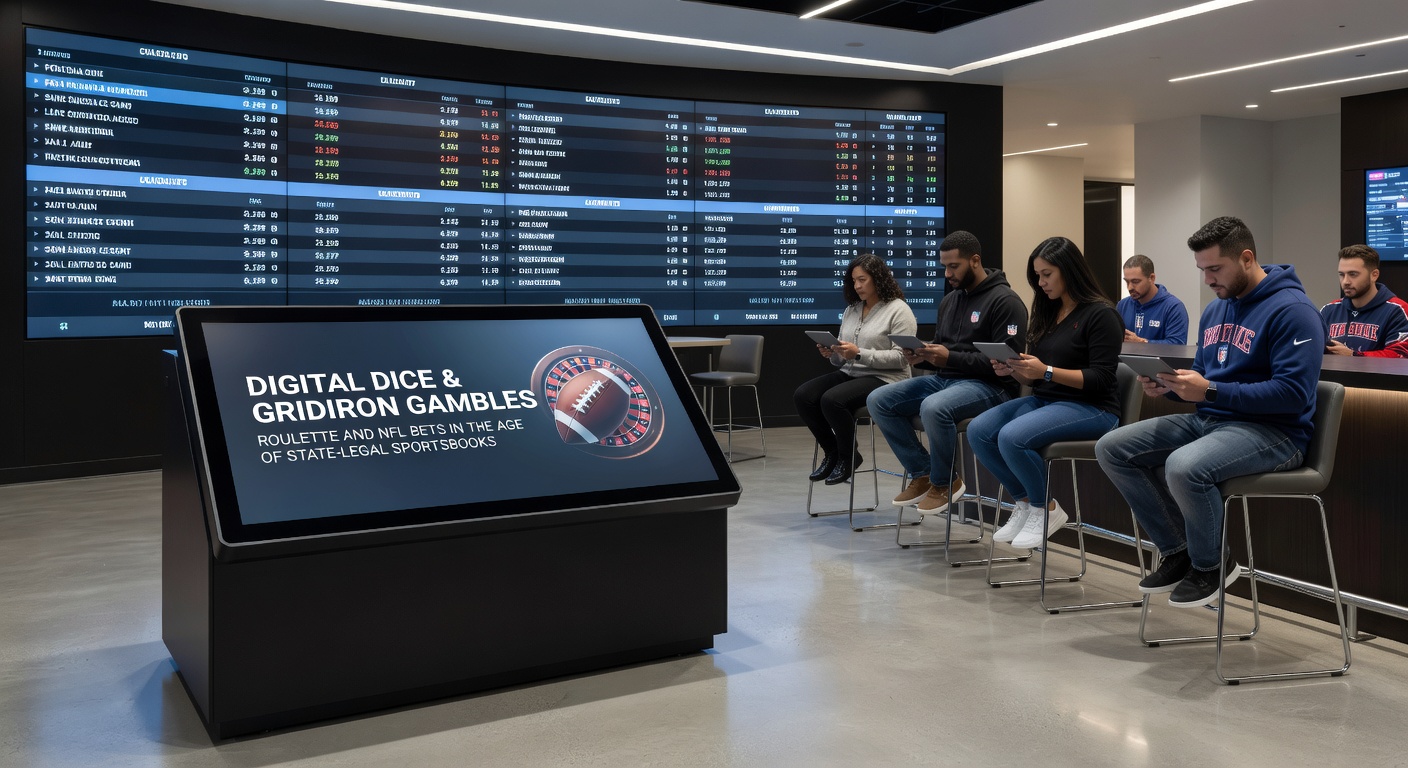
Hybrid apps represent the real game-changer, allowing seamless switches from NFL futures to roulette tables without leaving the platform; DraftKings, for example, offers both in 10+ states, where users deposit once and allocate funds across verticals, data shows this cross-play boosts retention by 25% because variety keeps things fresh.
But here's where it gets interesting: promotions tie them together, like deposit matches for NFL season openers redeemable on roulette, or free spins after hitting a touchdown parlay; operators report these bonuses drive 60% of new sign-ups during football season, while geofencing tech ensures compliance within state borders.
One study from Nevada Gaming Control Board reports highlights how integrated wallets reduce friction, leading to higher overall spend; players in Nevada, a pioneer, wagered $15 billion across sports and casino last year, with mobile accounting for 80%.
So, during big games, someone might bet the spread on the Eagles, hop to roulette for red/black even-money plays at 1:1 payouts, and cash out winnings instantly via PayPal or ACH, all while the app's responsible gaming tools monitor session times.
Regulations Shaping the Landscape
Each state crafts its own rules, with bodies like New Jersey's Division of Gaming Enforcement mandating geo-location verification and mandatory loss limits; these frameworks protect players, requiring operators to fund addiction hotlines and offer self-exclusion, which has seen uptake rise 15% year-over-year as volumes grow.
Turns out, federal oversight looms too; the Unlawful Internet Gambling Enforcement Act of 2006 still governs payments, blocking illicit transactions, while states tax revenues heavily—New York's 51% sports betting levy funds education, channeling billions back to public coffers since 2022.
Researchers discovered through surveys that 70% of bettors prefer regulated apps for security, citing encrypted data and third-party audits; international comparisons, like Ontario's iGaming model launched in 2022, show similar success, with $2 billion in wagers and robust consumer protections influencing US expansions.
Key Stats and Player Trends
Figures reveal explosive growth: US sports betting handle reached $119 billion in 2023, NFL commanding 35% share, while online casino revenue in six states topped $5 billion, roulette among top tables; average bettors place 5-10 wagers weekly during season, blending sports with casino for diversified play.
Demographics shift too; millennials and Gen Z dominate apps, 55% of users under 35 per industry data, drawn by user-friendly interfaces and social features like leaderboards for NFL pick'em contests tied to virtual roulette tournaments.
Yet, responsible gaming prevails; tools like wager limits and reality checks activate automatically after 30 minutes, cutting problem play by 20%, studies found, ensuring the industry's sustainability as more states like Alabama eye legalization.
Glimpsing Ahead to April 2026
By April 2026, expect further evolution; North Carolina's March 2024 sports betting launch will mature, adding casino options, while California ballot initiatives could unlock the nation's largest market, projecting $10 billion annual handle.
Tech advances like VR roulette integrated with NFL watch parties loom, and AI-driven personalization will tailor odds and game suggestions; regulators plan unified data-sharing across states, enhancing fraud detection, as the NFL draft in late April fuels early season hype bets.
What's significant is expansion southward; Texas and Florida negotiations heat up, potentially adding 50 million new users, with hybrid apps leading revenue as roulette's digital allure pairs perfectly with gridiron gambles.
Conclusion
Digital dice roll alongside gridiron gambles in this era of state-legal sportsbooks, where roulette's timeless spin meets NFL's high-stakes action on secure apps; revenue surges, player protections strengthen, and innovations keep the momentum rolling, all while states reap economic benefits from a regulated boom that's just getting started.
Observers see this fusion reshaping entertainment, with data pointing to sustained growth; those navigating these platforms find a balanced mix of thrill and responsibility, setting the stage for even bigger plays ahead.