7 Aug 2026
Data Analytics Enabling Skill Transfers from Poker Bluff Detection to NFL Prop Bets on Mobile Platforms in Emerging Legal Markets
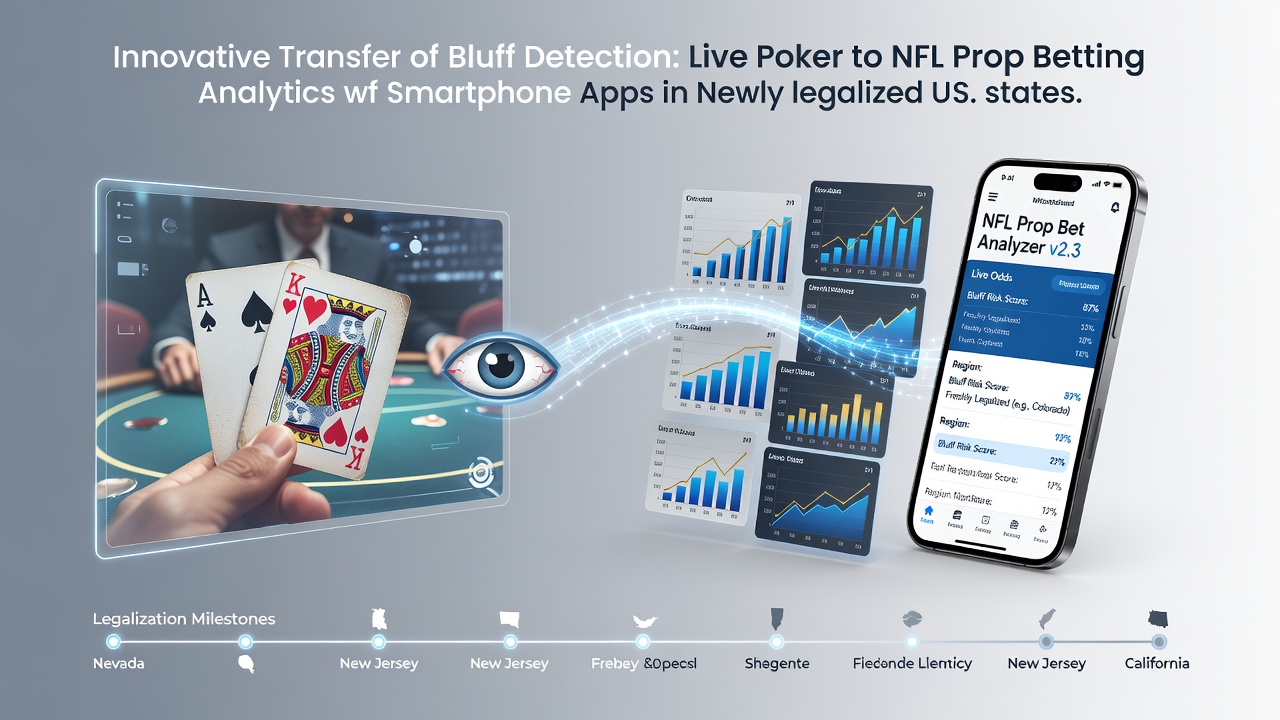
Analysts track how data tools now bridge live poker observation techniques with NFL prop selections inside smartphone applications operating across states that completed legalization processes in 2025 and early 2026. Platforms in these regions compile player behavior logs from poker tables, then map those patterns onto statistical models for bets on individual athlete metrics such as passing yards or receptions. Users access the same interfaces for both formats, which allows direct comparison of decision frameworks that once stayed separate.
Platform Growth in Newly Regulated Territories
State agencies reported expanded mobile wagering volumes after licensing updates took effect, with several Midwest and Southeast jurisdictions recording their first full summer of operation by August 2026. Data from these markets show operators integrating poker-derived variables like bet sizing history and reaction timing into NFL prop dashboards. Software developers adjust algorithms to flag inconsistencies in prop lines that mirror tells observed during live card play, then present those flags as optional overlays users can toggle on handheld devices.
Regulatory filings indicate that licensing frameworks in these areas require operators to maintain separate ledgers for skill-based and chance-based products, yet the underlying analytics engines often share codebases. This structure permits rapid deployment of cross-game features without new legislative approvals in most cases.
Mechanics of Bluff Detection Applied to Prop Markets
Researchers examining user logs note that poker players who review hand histories for opponent hesitation patterns later apply similar scrutiny to NFL prop interfaces. The process involves scanning historical performance datasets for deviations from expected ranges, then placing smaller test wagers before committing larger amounts. Applications record these sequences and surface aggregated insights to other users through anonymized trend summaries.
One dataset released by an industry consortium in mid-2026 highlighted correlations between time spent reviewing poker replays and accuracy rates on prop bets involving quarterback completion percentages. The figures revealed measurable improvements among participants who had logged at least 50 hours on live tables before shifting focus to football markets.
Analytics Tools Driving the Crossover

Developers deploy machine learning models trained on millions of poker sessions to identify micro-patterns in betting rhythm and chip movement. These models then ingest NFL game logs and produce probability adjustments for props such as field goal attempts or sack totals. Users in freshly legalized regions receive push notifications when a prop line deviates from model projections by thresholds derived from poker variance calculations.
Academic reviews of these systems, including work published through the University of Nevada, Las Vegas International Gaming Institute, document how the same variance metrics help users avoid overcommitment on both table games and sports props. The studies emphasize that the transfer occurs most clearly when platforms present side-by-side historical comparisons rather than isolated recommendations.
Regional Implementation Patterns
Operators in states that opened markets during 2025 describe faster adoption rates among users who already maintained poker accounts on the same applications. Regulatory reports from multiple jurisdictions note that average session lengths for prop betting increased after the addition of poker analytics modules. These modules display simplified heat maps of opponent tendencies alongside real-time NFL injury and weather data feeds.
August 2026 updates from several platforms introduced shared leaderboards that rank participants across poker and prop categories, further encouraging direct skill application. Compliance teams monitor these features to ensure they do not create unintended inducements prohibited under local statutes.
Regulatory and Technical Considerations
State gaming commissions require that any transferred analytics remain transparent, with source data links available inside the application. This rule stems from earlier frameworks developed for traditional casino products and now extends to sports props. Technical audits verify that models do not incorporate information unavailable to all users at the time of wager placement.
Industry groups such as the American Gaming Association track how these transparency measures affect user retention across different regulatory environments. Their quarterly summaries indicate consistent uptake in regions that permit integrated analytics while maintaining clear product separation.
Conclusion
Current implementations demonstrate that data analytics layers originally built for poker observation now support NFL prop decisions on the same mobile platforms serving newly legalized markets. Continued collection of cross-format usage data will determine whether these transfers scale beyond early adopter groups. Operators continue refining presentation methods to align with evolving state requirements while preserving the core mapping of behavioral signals between the two formats.