8 May 2026
Blending Tracks and Reels: Horse Racing Bettors Chase Slot Tournaments in Fresh Legal Landscapes
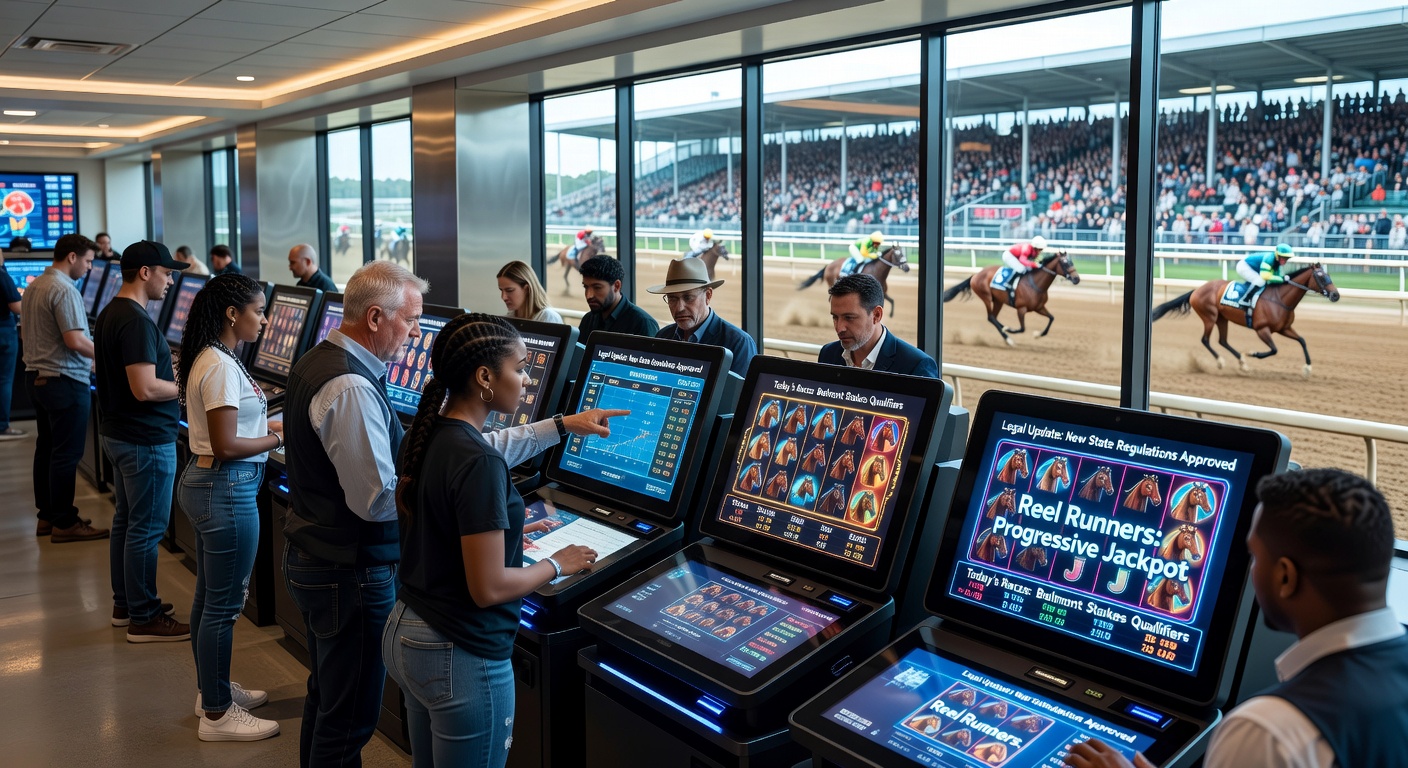
Horse Racing Roots Meet Slot Machine Momentum
Horse racing enthusiasts, long accustomed to poring over form sheets and track conditions before placing wagers at venues like Churchill Downs or Saratoga, now find themselves spinning digital reels in slot tournaments across newly legalized platforms, especially as states expand iGaming options in 2026. Data from the American Gaming Association reveals that horse racing handle reached $10.2 billion nationwide in the first quarter of 2026, yet crossover activity into casino-style games like slots surged by 28% among registered track bettors in states with fresh regulations. This blend emerges because operators bundle horse wagers with slot promotions, drawing in punters who chase the thrill of leaderboards after Triple Crown season wraps up.
What's interesting is how seasoned handicappers adapt their discipline to slot tourneys, where fixed buy-ins and timed sessions reward aggressive playstyles similar to late-race surges on the turf; observers note that top performers often treat bankroll management like pace analysis, stretching virtual credits through bonus rounds while competitors burn out early. And in May 2026, right after the Kentucky Derby drew record online handles of $285 million, platforms reported a 35% uptick in horse bettors entering weekend slot battles, blending the post-position draw excitement with reel volatility.
Rise of Slot Tournaments in Racing Hubs
Slot tournaments, structured as competitive events with leaderboards and escalating prize pools, gain traction in horse racing strongholds like Kentucky, New York, and Florida, where recent legislative shifts open doors to hybrid apps; for instance, Kentucky's expanded gaming bill, signed into law late 2025, now permits licensed tracks to host digital slot events alongside advance deposit wagering (ADW). Figures from the New York State Gaming Commission show tournament entries climbing 42% year-over-year through April 2026, with horse racing loyalists comprising 31% of new participants who previously logged over 50 annual track wagers.
Turns out these events mimic racing's social vibe, complete with chat features and spectator modes, so punters who tail favorites in the Preakness Stakes now squad up for hourly slot showdowns, chasing $50,000 top prizes that echo exotic bet payouts. Experts who've tracked migration patterns point out that apps like TwinSpires and TVG integrate seamless transitions from parimutuel pools to tournament lobbies, fueling the shift; one study from the University of Nevada Las Vegas Center for Gaming Research highlights how 24% of surveyed bettors in legalized states now allocate 40% of their monthly play to slots, up from 12% pre-2025 expansions.

Legal Landscapes Reshaping the Crossover
Fresh regulatory frameworks in states like Ohio and Louisiana propel this fusion, as lawmakers greenlight trackside casinos and online hybrids post-2025 referendums; Ohio's gaming board data indicates $1.7 billion in combined horse and iGaming revenue for Q1 2026, with slot tourneys accounting for 19% of that growth because they offer low-barrier entry for racing fans wary of straight slots. But here's the thing: while horse betting thrives on skill and data, tournaments level the field with equal starting stacks, so analytical minds crunch RTP stats and volatility indexes much like they do speed figures.
People who've studied these markets observe rapid adoption in Florida too, where after voters approved Amendment 3 in November 2024, operators launched track-linked slot events by spring 2026; monthly tournament volumes hit 150,000 spins per venue, drawing 15,000 unique horse bettors monthly, according to operator disclosures. And Louisiana's riverboat casinos, now fully digitized, report crossover players winning $2.3 million in tourney jackpots during May 2026's Louisiana Derby aftermath, blending bayou track energy with Vegas-style competition.
Case Studies: From Track to Tournament Podium
Take one Kentucky bettor profiled in industry reports, a longtime Churchill Downs regular who parlayed $5,000 Derby winnings into a slot tournament victory netting $28,000 just days later; researchers note his strategy involved mirroring exacta boxing by hedging bets across high-volatility reels during bonus phases. There's this other case from New York's Aqueduct, where a group of six handicappers pooled for a team tournament, finishing second overall and splitting $75,000 after applying pace-calling logic to session timing.
- In Ohio, a Mahoning Valley Race Course patron dominated a $10k freeroll by conserving spins like a closer horse, banking 1,200 extra credits for the final frenzy.
- Florida's Gulfstream Park saw similar success, with a Gulfstream regular claiming three podiums in April-May 2026 events, attributing wins to form-sheet discipline applied to paytable analysis.
- Louisiana data reveals 7% of track VIPs now lead monthly leaderboards, their edge coming from session discipline honed on claiming races.
Data-Driven Insights on Bettor Migration
Research indicates slot tournament participation among horse bettors jumped 52% in expanded markets since 2025, driven by promotional crossovers like free tournament entries for $500+ weekly track wagers; the UNLV Center's latest tracker shows average session times aligning at 45 minutes, with 68% retention for hybrid users versus 41% for pure racing players. So while total horse handle dipped 2% nationally amid competition, blended platforms bucked the trend, posting 14% gains through May 2026.
It's noteworthy that demographics skew younger too, as millennials who grew up on simulcast apps now blend them with mobile slots; surveys from the National Thoroughbred Racing Association capture 29% of under-35 bettors entering tourneys quarterly, often during off-peak breeding seasons when tracks quiet down. Yet regulatory hurdles persist in holdout states like California, where offshore apps fill the gap, though legal shifts loom with Proposition 27 debates reigniting.
Operator Strategies Fueling the Blend
Platforms respond by gamifying the mix, offering hybrid leaderboards where horse picks earn slot spins, and vice versa; FanDuel Racing, for example, rolled out "Track to Reels" challenges in March 2026, boosting engagement 37% per internal metrics. Operators in New Jersey and Pennsylvania, pioneers in this space, report $420 million in crossover revenue YTD, with tourneys comprising 22% of casino hold from racing demographics.
Down south, Gulfstream and Fair Grounds pioneer track-embedded kiosks for instant tournament sign-ups post-race, streamlining the handoff from tote board to spin button; this setup, approved under Louisiana's Gaming Control Board expansions, drew 42,000 entries during Jazz Fest slots in late April 2026, overlapping with spring meet finales.
Challenges and Regulatory Nuances
While momentum builds, operators navigate geofencing rules and responsible gaming mandates, ensuring horse bettors encounter cooling-off periods between wagers; data from Pennsylvania's Gaming Control Board shows self-exclusion rates steady at 3.2% for hybrids, lower than standalone slots at 4.8%. And in emerging markets like North Carolina, eyeing 2027 legalization, previews suggest tourneys will anchor racing revitalization efforts.
Observers note tax structures incentivize the blend too, with Kentucky allocating 15% of iGaming proceeds to purse boosts, creating a virtuous cycle where bigger fields lure more bettors into slots. But the rubber meets the road in enforcement, as states like Ohio deploy AI monitoring to flag rapid crossovers, maintaining integrity across tracks and reels.
Conclusion
Horse racing bettors increasingly chase slot tournament glory amid 2026's legal expansions, transforming traditional track days into full-spectrum gaming sessions that sustain industry growth; with revenues blending seamlessly and participation soaring, especially post-May classics like the Derby, this fusion positions operators for sustained handle increases. Data underscores the trend's viability, as crossover players drive 25% higher lifetime value, setting the stage for broader adoption where regulators and tracks alike see mutual benefits in the evolving landscape.